



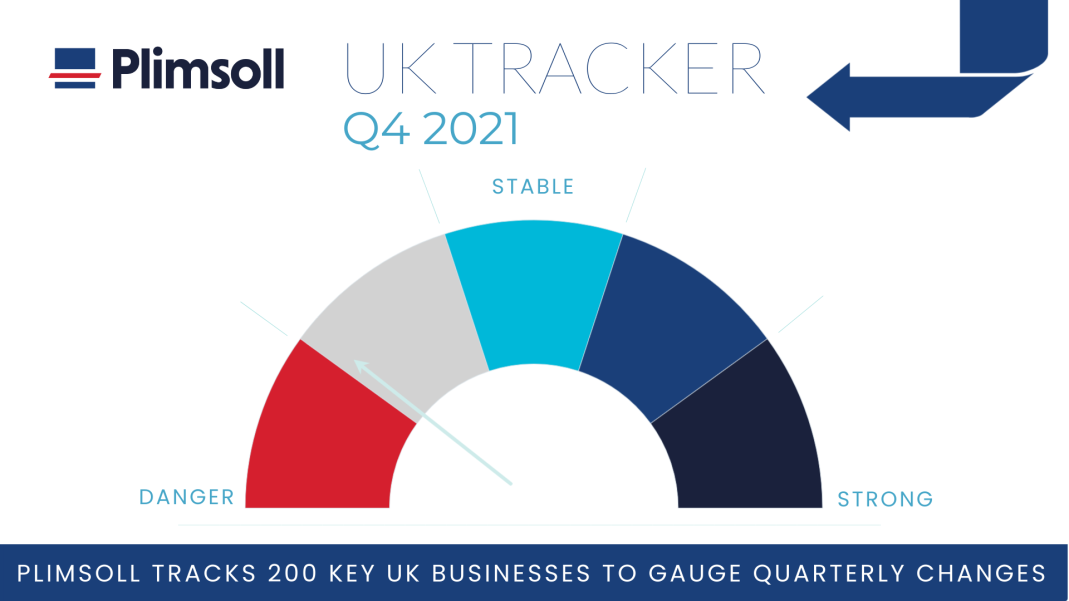
With almost a third of a trillion pounds wiped from the sales of the UK’s top 200 largest non-financial companies, the latest quarterly Plimsoll Tracker shows the continuous twin impact of Brexit and COVID-19 on the UK economy’s biggest employers and economic bellwethers.
The Plimsoll Tracker measures the quarterly performance trends of the UK’s 200 leading non-financial companies to assess their resistance to shocks and how much they are adding back to the nation through tax, employment, and remuneration.
Each quarter Plimsoll examine three performance measures, based on the latest financial data of the UK’s top 200 companies – people, performance, and pressure. The first will examine the number of jobs lost or added and the fluctuations in pay and productivity. The second looks at financial stability and outlook. The final area examines debt position and the overall health of the top 200 companies.
This quarterly bulletin from the Plimsoll Tracker highlights the latest intelligence on these British commercial heavyweights. Here are the key findings:

In the latest Plimsoll Tracker, we are seeing the extent to which jobs are being shed among the UK’s largest firms escalating. 315,000 fewer people are employed which is a further 5% reduction in overall staff numbers on top of the 4% fall in the previous quarter. This has coincided with a 5% decline in salaries paid while average salaries paid has remained stable at £38k per person employed.
The hiring crisis and the problems of a smaller pool of employees as seen companies struggle to fill roles after the disappearance of suitable labour post-Brexit. Despite escalating wage demands to entice people into key markets such as food production and haulage, UK productivity measures continue to worsen albeit at a slower rate - 14% in Q3 compared to 13% in the latest quarter. UK businesses cannot afford additional wages without significant price increases passed on to consumers or significant productivity gains.
With RPI at 7.2% and CPI at 5.2%, inflation expectations are becoming entrenched within the population and wage demands are following. Pressure is likely to increase for large companies to trim headcount further to control manpower costs and improve productivity. With numbers of potential employees unlikely to abate, how can the top 200 companies get more from their existing workforce in 2022?
Again, almost two-thirds of the top 200 companies have seen their sales fall in the latest quarter and the situation is deteriorating. 125 companies suffered falling revenue in the previous quarter but the number has swelled to 139 in the final quarter. That adds up to £306 billion in lost revenue among the UK’s leading revenue generators.
The downward pressures have been even more acute in profit margins. Falls in profit margins have continued but have slowed in the previous quarter. While profits are down 67% in the latest quarter they were down 74% in the previous. Even those dominant in markets that flourished during the early stages of the pandemic have struggled to operate profitably.
As a result of the serious falls in corporate profitability, the hit to the public purse has been unprecedented. Tax revenues have fallen 40% in the latest quarter at a combined loss of £22 billion from Rishi Sunak’s spending pot. Little wonder then that the UK public is being asked to shoulder much of the financial burden and the government is so keen to avoid further lockdown.
According to Plimsoll’s latest analysis, major companies have expedited their swapping of short-term debt in favour of long-term. Their short-term commitments are down a sizeable 10% while the latter is creeping ever higher. The Plimsoll Model states that while this move gives some temporary relief on the financial health of a business, it is no silver bullet, and the debts remain real.
In the face of growing inflation, UK interest rates are on the rise as seen in December’s surprise decision by the Bank of England, the first in a series of predicted, necessary rises over the coming year. While many companies can hedge their debts, once refinancing becomes necessary or further investments are required, many of the UK’s leading companies could find their options much more expensive.
For more than 30 years, Plimsoll has been rating the financial health of companies of all shapes and sizes around the world. 9 out of 10 companies currently in administration were rated as “Danger” by Plimsoll up to two years prior to their demise. Size doesn’t protect a company from their ultimate demise, but it can elongate the process.
Debt, whether long- or short-term, used correctly is a force for good. If invested to increase the productivity and performance of a business, they are an asset. However, according to the latest Plimsoll Tracker, there has been 18% decline in overall financial leading to a sharp rise in companies rated as Danger. As January brings further, more encompassing Brexit restrictions, what next for the UK’s 200 leading companies?
Summary
The 200 companies used as part of the Plimsoll Tracker cover almost all non-financial sectors of the economy from retail to agriculture. The latest quarterly updates are the first to reflect the impact of the COVID-19 pandemic. On average sales are falling, profits have plummeted, debts have been moved from short- to long-term, and overall financial health has fallen again.
Contrary to what we hoped in the summer, 2022 looks set for continued disruption. As more comprehensive Brexit customs checks come online in January, debt becomes more expensive and Omicron brings more restrictions to a weary country, monitoring the UK’s leading, bellwether companies will show how the economy is faring over each quarter of the coming year.
About Plimsoll
Plimsoll produces 1600 individual studies on key markets in the UK economy. We specialise in assessing company performance, valuing companies, spotting undervalued acquisition targets, and looking for opportunities in new markets.
Operating since 1987, we are the UK’s leading provider of instant analysis and easy to understand business intelligence. If you are looking to perform better than your peers, looking for intelligence on acquisition opportunities, searching for growth markets or just want to make better business decisions, Plimsoll has a solution for you.
To find out more about how we can help you to understand more about your markets, head to our homepage here and search for your industry today. Alternatively, call 01642 626470 to speak to our team.